Presbyopia

Learn More

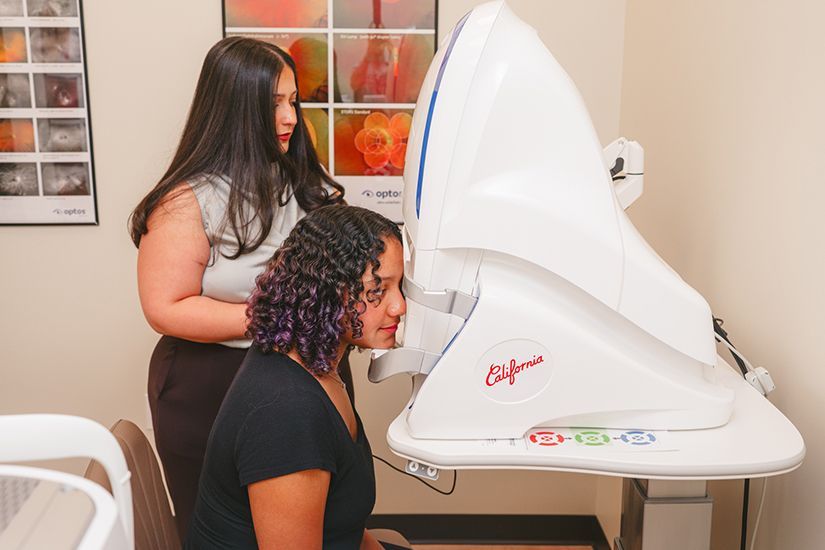
At Luxe Eye and Wellness, we use advanced digital retinal imaging to evaluate the health of your eyes without the need for traditional dilation drops. Our optometry office in Old Town Alexandria offers Optomap wide angle retinal imaging, which captures a detailed view of the retina in seconds. This technology allows our doctors to screen for retinal conditions such as diabetic retinopathy, macular degeneration, and retinal tears while minimizing discomfort and avoiding the side effects of dilation. The imaging process lets patients see the back of their eyes just as the doctor does and is safe for children, adults, and pregnant patients seeking comprehensive eye exams in Alexandria VA.
Person wearing a gray VR headset and black jacket against a plain background

What to Expect

The IPL technology targets pigmentation and vascular issues, improving skin tone and texture. The controlled heat stimulates collagen production while the body naturally removes treated tissue, enhancing overall skin appearance. The procedure typically lasts 15-30 minutes and is well-tolerated with minimal discomfort.

The treatment targets imperfections and stimulates collagen production over multiple sessions. Results for light pigmentation and sun spots can appear in 1-2 treatments, while most concerns may need 2-6 sessions, spaced 2-4 weeks apart.

Varieties of AMD

Glaucoma is a disease that damages your eye’s optic nerve. Most commonly, this occurs when fluid builds up in the front part of your eye which increases the pressure in your eye, damaging the optic nerve. There are four types of glaucoma: open-angle, normal tension, angle-closure, and secondary.

Manual refraction with a phoropter.

This test is used to estimate which lens powers will best correct distance vision. Based on the way the light reflects from the eye, the doctor is able to obtain an approximation of the eyeglass prescription. This test is useful for children and patients who are unable to accurately answer the doctor's questions.

There are several effective treatments for presbyopia, tailored to suit different lifestyles and vision needs.


Eyeglasses:

  • Reading Glasses: Single-vision lenses designed specifically for close-up tasks.
  • Bifocals: Lenses with two sections, one for distance vision and one for near vision.
  • Progressive Lenses: Multifocal lenses that provide a gradual transition between near, intermediate, and distance vision.


Contact Lenses:

  • Multifocal Contacts: These lenses have different zones for near, intermediate, and distance vision.


Surgical Options:

  • Refractive Lens Exchange (RLE): Replacing the eye’s natural lens with an artificial intraocular lens (IOL).
  • Monovision LASIK: Corrects one eye for near vision and the other for distance.
  • Corneal Inlays: A small device is implanted in the cornea to improve near vision.

While presbyopia cannot be prevented, its effects can be managed effectively with regular eye exams and personalized vision care. Early diagnosis and treatment not only improve quality of life but also help detect other age-related eye conditions, such as cataracts or macular degeneration.


If you're experiencing signs of presbyopia or want to explore the latest treatment options, schedule a comprehensive eye exam with us today!
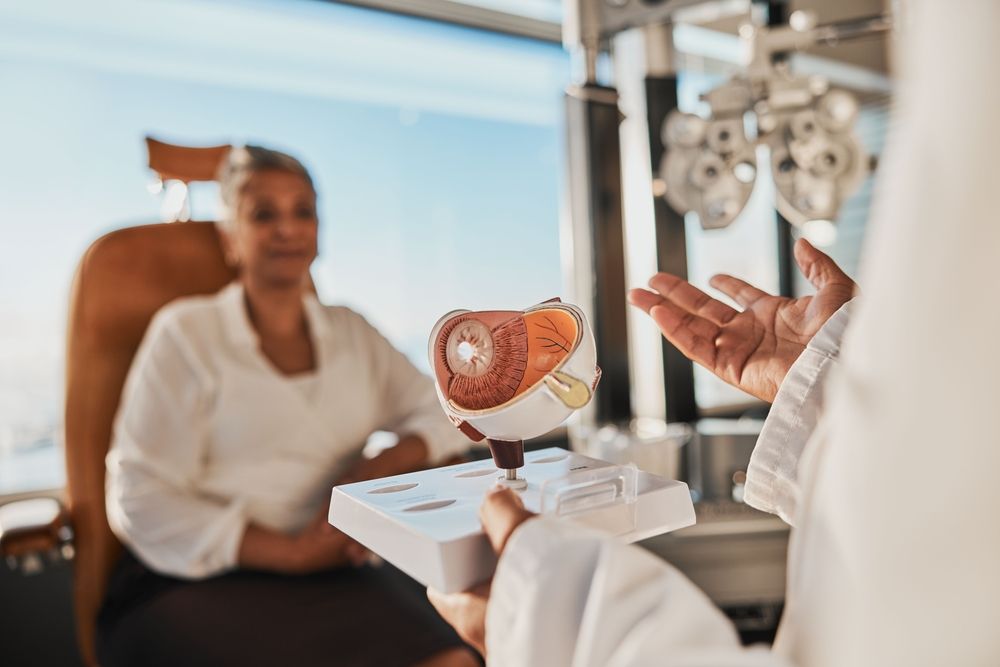
Doctor showing an eye model to a seated patient in a clinic

Senior eye care is crucial for maintaining optimal vision and overall eye health as we age. As individuals grow older, they become more susceptible to age-related eye conditions. Regular comprehensive eye exams play a key role in early detection and management of these conditions, helping to preserve vision and prevent potential vision loss. By staying proactive with eye care and seeking timely professional assistance, seniors can enjoy clear, comfortable vision and ongoing eye health for years to come.

Common Eye Conditions in Seniors

As we reach our golden years, there are several eye conditions that become more prevalent. These conditions can have a significant impact on our vision and overall quality of life.
 

  • Presbyopia: This condition affects near vision, making it difficult to focus on close objects. It is a normal part of aging and is typically addressed with reading glasses or multifocal lenses.
  • Floaters and Flashes: As the vitreous inside the eye changes with age, it can lead to the perception of floaters (small dark spots or lines) and flashes of light. While often harmless, sudden onset of floaters and flashes may indicate a retinal tear or detachment and should be promptly evaluated.
  • Age-Related Macular Degeneration (AMD): AMD is a leading cause of vision loss in older adults. It affects the macula, the central part of the retina, leading to blurred or distorted central vision. There are two forms of AMD, dry AMD, and wet AMD, with the latter being more severe.
  • Cataracts: Cataracts are a common age-related condition characterized by the clouding of the eye's natural lens. This can lead to blurry vision, glare, and difficulty seeing in low-light conditions.
  • Glaucoma: Glaucoma is a group of eye conditions that damage the optic nerve, often due to elevated intraocular pressure. It can result in peripheral vision loss and, if left untreated, may lead to total blindness.
  • Diabetic Retinopathy: For seniors with diabetes, diabetic retinopathy is a concern. It occurs when high blood sugar levels damage the blood vessels in the retina, leading to vision problems and potential blindness if not managed.
  • Dry Eye Syndrome: Seniors may experience dry eye syndrome, characterized by insufficient lubrication and moisture on the surface of the eye. It can cause discomfort, redness, and fluctuating vision.
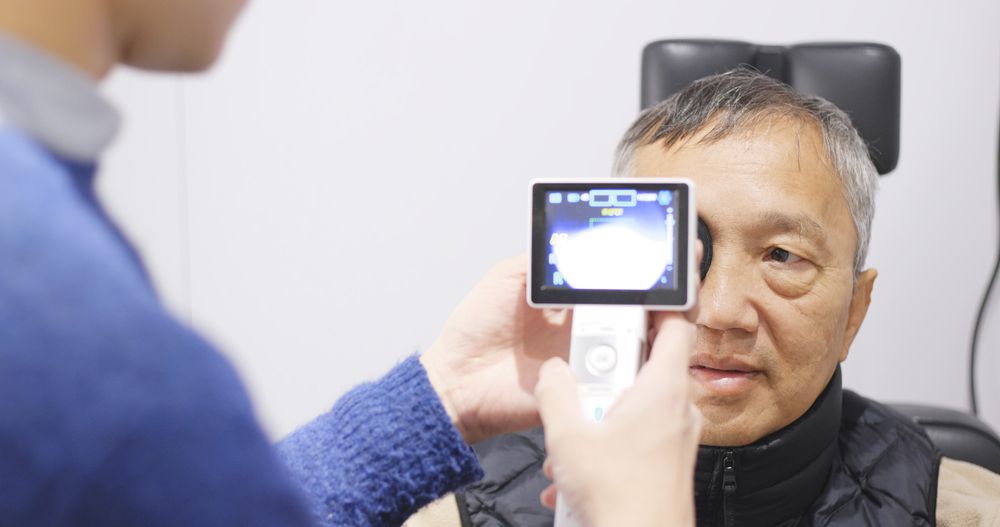
Person using a handheld device to photograph an older man during an eye exam

The Benefits of Regular Eye Exams for Seniors

Comprehensive eye exams are crucial for seniors to detect and prevent eye conditions before they progress. These exams can help identify early signs of eye conditions that may not present noticeable symptoms in the early stages. By detecting these conditions early on, seniors can receive timely treatment and intervention, reducing the risk of vision loss and maintaining their overall eye health.
 

Comprehensive eye exams also play a vital role in monitoring existing eye conditions. Seniors who have been diagnosed with conditions such as AMD or glaucoma need regular check-ups to assess the progression of the disease and determine the effectiveness of their current treatment plan. The earlier any changes are detected, the sooner adjustments can be made to ensure optimal management and preservation of vision.

Senior Eye Care Services and Treatments

Seniors have access to a wide range of eye care services and treatments to address their specific needs. Depending on the condition, treatment options may include medication, lifestyle modifications, or surgical interventions.
 

In addition to treatment, seniors can benefit from various supportive services to enhance their eye health and overall well-being. Low vision rehabilitation programs can help seniors maximize their remaining vision through the use of assistive devices and strategies. These programs also provide emotional support and guidance to help seniors adjust to any vision loss they may be experiencing.
 

Schedule a comprehensive eye exam for yourself or a senior loved one today to prioritize optimal eye health and well-being.

Helpful Articles