
Post-Concussion Syndrome
Optos Digital Imaging
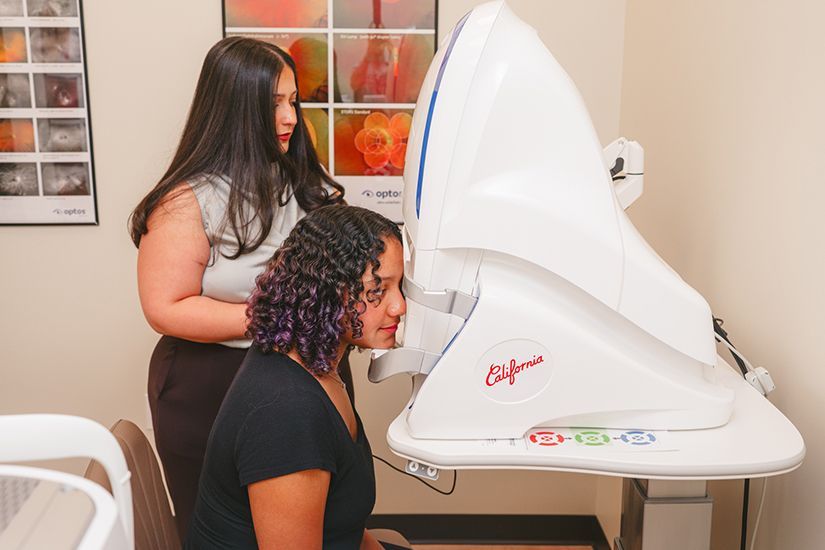
At Luxe Eye and Wellness, we use advanced digital retinal imaging to evaluate the health of your eyes without the need for traditional dilation drops. Our optometry office in Old Town Alexandria offers Optomap wide angle retinal imaging, which captures a detailed view of the retina in seconds. This technology allows our doctors to screen for retinal conditions such as diabetic retinopathy, macular degeneration, and retinal tears while minimizing discomfort and avoiding the side effects of dilation. The imaging process lets patients see the back of their eyes just as the doctor does and is safe for children, adults, and pregnant patients seeking comprehensive eye exams in Alexandria VA.
What to Expect
The IPL technology targets pigmentation and vascular issues, improving skin tone and texture. The controlled heat stimulates collagen production while the body naturally removes treated tissue, enhancing overall skin appearance. The procedure typically lasts 15-30 minutes and is well-tolerated with minimal discomfort.
The treatment targets imperfections and stimulates collagen production over multiple sessions. Results for light pigmentation and sun spots can appear in 1-2 treatments, while most concerns may need 2-6 sessions, spaced 2-4 weeks apart.


Post-concussion syndrome (PCS) is a complex condition that can occur after a traumatic brain injury (TBI), such as a concussion. While the initial injury may have healed, the lingering symptoms can significantly impact your daily life, making it challenging to return to your normal routines and activities.
What is Post-Concussion Syndrome?
Post-concussion syndrome is a collection of physical, cognitive, and emotional symptoms that can persist for weeks, months, or even years after a head injury. Unlike the typical recovery from a concussion, which usually resolves within a few days or weeks, PCS can be a prolonged and debilitating experience. The symptoms of PCS can vary widely from person to person, making it a complex and often misunderstood condition.
Causes of Post-Concussion Syndrome
One of the primary causes of post-concussion syndrome is the disruption of the brain’s normal function due to the injury itself. When the brain experiences trauma, it can lead to a variety of biochemical and structural changes, which may cause the ongoing symptoms of PCS. The severity of the concussion does not always correlate with the likelihood of developing PCS; even minor concussions can lead to prolonged post-concussion symptoms in some individuals.
Another contributing factor to PCS may be related to the individual’s psychological response to the injury. Anxiety, stress, and pre-existing mental health conditions can exacerbate the symptoms of PCS and prolong the recovery process. People who have a history of migraines, anxiety disorders, or depression may be more prone to developing post-concussion syndrome.
Recognizing the Symptoms of Post-Concussion Syndrome
The symptoms of post-concussion syndrome can be diverse and can vary in severity from person to person. Some of the most common symptoms include:
- Physical Symptoms: Headaches, dizziness, nausea, sensitivity to light or sound, fatigue, and sleep disturbances.
- Cognitive Symptoms: Difficulty concentrating, memory problems, slower processing speed, and reduced problem-solving abilities.
- Emotional Symptoms: Irritability, mood swings, anxiety, depression, and increased emotional sensitivity.
The presence and severity of these symptoms can fluctuate over time, making it crucial to monitor your condition closely and communicate any changes to your primary care or eye doctor.

The Importance of Early Detection and Diagnosis
Early detection and diagnosis of post-concussion syndrome are essential for effective management and recovery. Seeking medical attention promptly after a head injury can help identify the underlying causes of your symptoms and guide you towards the appropriate treatment plan. Delaying diagnosis can lead to prolonged suffering, increased risk of complications, and a more challenging recovery process.
Treatment Options for Post-Concussion Syndrome
The treatment of PCS is often multidisciplinary, involving a combination of therapies to address the various symptoms patients experience. One of the primary treatment options for patients with PCS is vision therapy or neuro-optometric rehabilitation. This structured, personalized program consists of exercises and activities designed to improve visual skills and retrain the brain to process visual information effectively. Vision therapy can help restore proper eye coordination, focusing ability, and depth perception. The goal is to alleviate symptoms like double vision and improve reading and concentration, both of which are often affected by post-concussion visual disturbances.
Another option is the use of prism lenses. These specialized lenses are designed to alter the way light enters the eye, helping to alleviate visual misalignments and double vision. Prism lenses can provide immediate relief for some PCS symptoms, such as difficulties with balance and spatial orientation, making day-to-day activities more manageable.
If you or a loved one are experiencing the symptoms of post-concussion syndrome, schedule a consultation for a
comprehensive evaluation and personalized treatment plan. With the right support and care, you can take the first steps towards a fulfilling recovery and a return to your normal routines and activities.
Helpful Articles
All Eyecare Services
We offer a wide variety of eye care services to the Alexandria community. Contact us with any questions about our services.

Keep In Touch
For non-urgent questions or to learn more about our services, contact us today!