
Can Diet Reverse Diabetic Retinopathy
Optos Digital Imaging
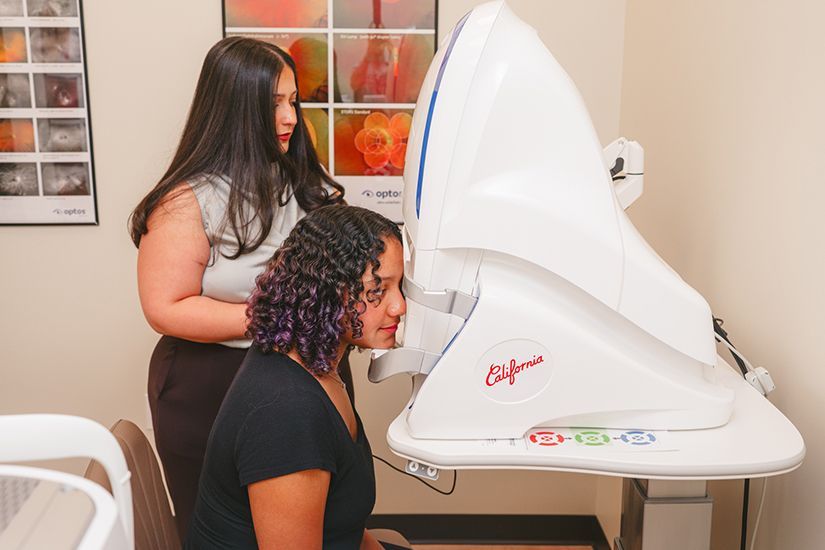
At Luxe Eye and Wellness, we use advanced digital retinal imaging to evaluate the health of your eyes without the need for traditional dilation drops. Our optometry office in Old Town Alexandria offers Optomap wide angle retinal imaging, which captures a detailed view of the retina in seconds. This technology allows our doctors to screen for retinal conditions such as diabetic retinopathy, macular degeneration, and retinal tears while minimizing discomfort and avoiding the side effects of dilation. The imaging process lets patients see the back of their eyes just as the doctor does and is safe for children, adults, and pregnant patients seeking comprehensive eye exams in Alexandria VA.
What to Expect
The IPL technology targets pigmentation and vascular issues, improving skin tone and texture. The controlled heat stimulates collagen production while the body naturally removes treated tissue, enhancing overall skin appearance. The procedure typically lasts 15-30 minutes and is well-tolerated with minimal discomfort.
The treatment targets imperfections and stimulates collagen production over multiple sessions. Results for light pigmentation and sun spots can appear in 1-2 treatments, while most concerns may need 2-6 sessions, spaced 2-4 weeks apart.
Experience Relief with Avulux Lenses
How LASIK Works
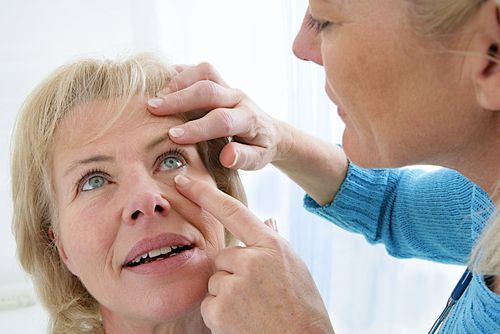

Eye disease that is caused by diabetes is currently the number one cause of blindness and vision loss. Due to the increased risk in diabetic patients, doctors recommend that people over 30 with diabetes get an annual dilated eye exam. Diabetic patients under 30 should get this exam five years after they have been diagnosed.
Diabetic retinopathy is a condition that is caused by damage to the retina. Patients that have diabetes may also have experienced extended periods of time where their blood sugar was elevated. The high levels of blood sugar damage the retina’s walls which leave them susceptible to leaking. When fluid accumulates in the retina or macula, it causes vision loss.
To make these matters worse, if prolonged high blood sugar levels are seen again, the retina will be oxygen-depleted. This causes the abnormal growth of new blood vessels. This condition is called neovascularization. This blood vessel type is weak and prone to leaking. As these blood vessels leak, they introduce blood into the eye. Excessive bleeding into the eye can cause blindness.
Treatment
While a healthy diet and exercise can be beneficial to your optical health, diabetic retinopathy is a condition that is caused by damage to the retinal wall. While this damage can sometimes be corrected, simple diet changes won’t reverse the effects.
It is essential to catch the condition in the earlier stages to reduce the effects. This can also help patients understand the importance of monitoring their blood sugar so that repeat events can be limited. Treatment options are even more successful when diabetic retinopathy is caught early. These options include vitrectomy, scatter photocoagulation and focal photocoagulation.
During both scatter, and focal photocoagulation the doctor will use lasers to help alleviate the condition. The lasers make small burns on the retina aimed at the blood vessels. These burns will help to seal the blood vessels to prevent more leakage and stop them from growing larger.
When using scatter photocoagulation, hundreds of small burns are made in a specific pattern during two additional appointments. Scatter coagulation should be used on patients who do not have advanced diabetic retinopathy.
Focal photocoagulation specifically targets the leaking blood vessels that are in the macula. Unfortunately, this procedure is not aimed to correct the blurry vision associated with diabetic retinopathy, but it does stop it from progressing further. Once the retina has detached, neither form of photocoagulation can be used.
Vitrectomy is a surgery that helps to remove scar tissue and/or the fluid that is clouded with blood that has been leaked into the eye. This operation is the most successful when performed before the disease has progressed too far. When the operation only targets removing the fluid, success rates are very high for the procedure. When the procedure also aims to reattach the retina, the failure rate is around 50%.
Helpful Articles
All Eyecare Services
We offer a wide variety of eye care services to the Alexandria community. Contact us with any questions about our services.

Keep In Touch
For non-urgent questions or to learn more about our services, contact us today!


