Pediatric Eye Exams
Optos Digital Imaging
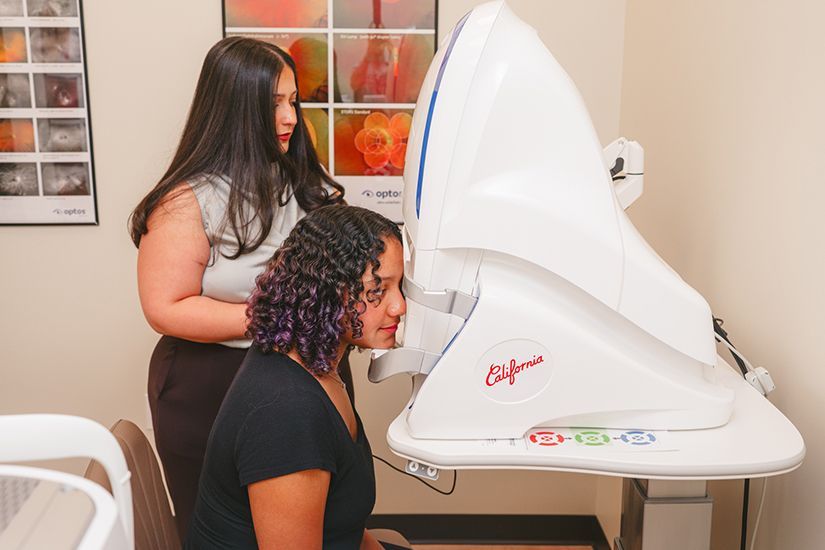
At Luxe Eye and Wellness, we use advanced digital retinal imaging to evaluate the health of your eyes without the need for traditional dilation drops. Our optometry office in Old Town Alexandria offers Optomap wide angle retinal imaging, which captures a detailed view of the retina in seconds. This technology allows our doctors to screen for retinal conditions such as diabetic retinopathy, macular degeneration, and retinal tears while minimizing discomfort and avoiding the side effects of dilation. The imaging process lets patients see the back of their eyes just as the doctor does and is safe for children, adults, and pregnant patients seeking comprehensive eye exams in Alexandria VA.
What to Expect
The IPL technology targets pigmentation and vascular issues, improving skin tone and texture. The controlled heat stimulates collagen production while the body naturally removes treated tissue, enhancing overall skin appearance. The procedure typically lasts 15-30 minutes and is well-tolerated with minimal discomfort.
The treatment targets imperfections and stimulates collagen production over multiple sessions. Results for light pigmentation and sun spots can appear in 1-2 treatments, while most concerns may need 2-6 sessions, spaced 2-4 weeks apart.
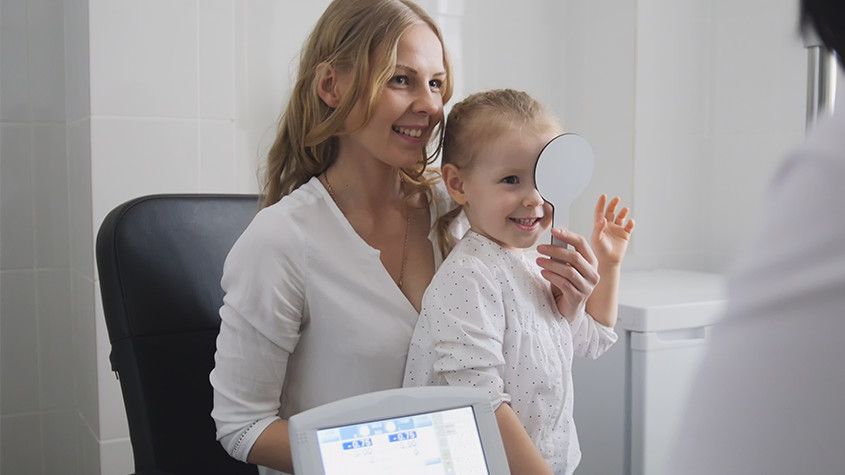
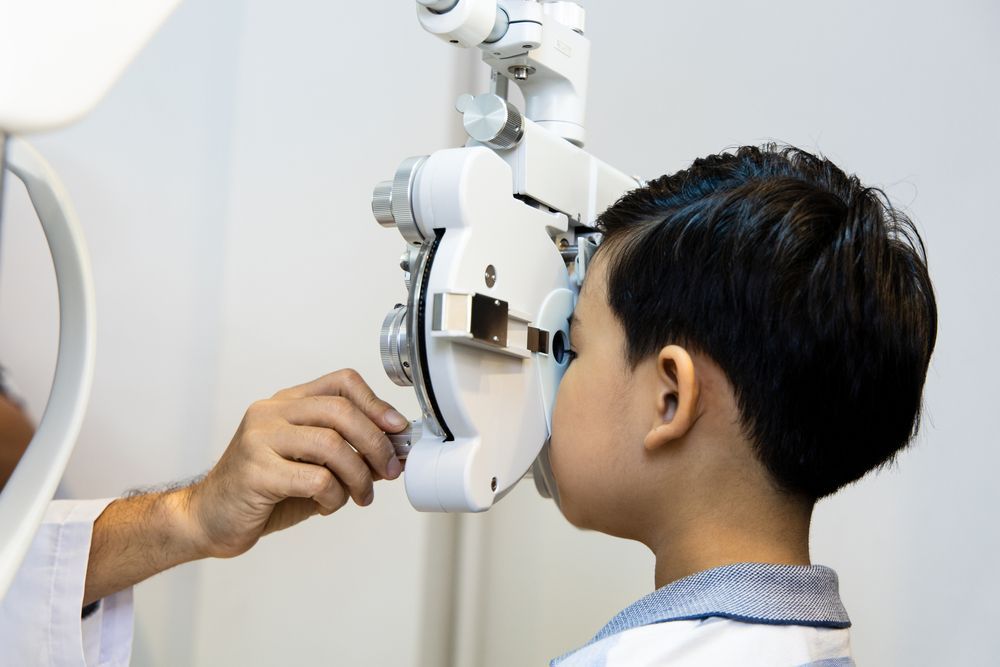
Regular eye exams are important for children since their eyes can change significantly in as little as a year as the muscles and tissue develop. Good eyesight is critical for a child’s life and achievements since success in school is closely tied to eye health. School demands intense visual involvement, including reading, writing, using computers, and blackboard/smartboard work. Even physical activities and sports require strong vision. If their eyes aren’t up to the task, a child may feel tired, have trouble concentrating, have problems in school or have difficulty playing their favorite games which may affect their overall quality of life.
When to Perform a Pediatric Eye Exam?
According to research, a child should have an initial screening between 6 and 12 months of age. After that, routine eye health and vision screenings throughout childhood should be performed in order to help detect any abnormalities as their eyes develop. Then, unless otherwise recommended, every two years thereafter until the age of 18.
For a newborn,
an optometrist should examine the baby’s eyes and perform a test called “red reflex test” which is a basic indicator that the eyes are normal. In a case that the baby is premature or at high risk for medical problems for other reasons, has signs of abnormalities, or has a family history of serious vision disorders in childhood, the optometrist should perform a comprehensive exam.
A second eye health examination should be done to infants between six months and the first birthday. This examination includes tests of pupil responses to evaluate whether the pupil opens and closes properly in the presence or absence of light, a fixate and follow test to determine whether the baby can fixate on an object such as a light and follow it as it moves, and a preferential looking test which uses cards that are blank on one side with stripes on the other side to attract the gaze of an infant to the stripes and thus vision capabilities can be assessed. Infants should be able to perform this task well by the time they are 3 months old.
For a Preschooler, between the ages of 3 and 3½, a child’s visual acuity and eye alignment should be assessed. If the child is diagnosed with misaligned eyes (strabismus), "lazy eye” (amblyopia), refractive errors (astigmatism, myopia, hyperopia) or any other focusing problems, it’s important to begin treatment as soon as possible to ensure successful vision correction and life-long benefits.
At School age or upon entering school, the child’s eyes should be screened for visual acuity and alignment. In this age group, nearsightedness (myopia) is the most common refractive error and can be corrected with eyeglasses.

There are some signs that parents can tell if their child has a vision problem. For example, the child may squint, hold reading materials very close to their face, or complain about things appearing blurry. However, there are some less obvious signs that may indicate vision problems, such as having a short attention span, quickly losing interest in games, projects or activities that require using their eyes for an extended period of time, or losing their place when reading. As well as choosing to avoid reading, drawing, playing games or doing other projects that require focusing up close. Another sign is that a child may turn his or her head to the side when looking at something in front of them. This may be a sign of a refractive error, including astigmatism, so by turning their head helps the child see better.
That’s why it is so important for kids to have
regular eye screenings with an optometrist. The earlier a vision problem is found and treated, the better off your child will be in and out of school.
Helpful Articles
All Eyecare Services
We offer a wide variety of eye care services to the Alexandria community. Contact us with any questions about our services.

Keep In Touch
For non-urgent questions or to learn more about our services, contact us today!